Scent of Bitter Lemon: Terraced Orchards & Slow Tables of Amalfi
Published November 19, 2024 • By Matteo Rossi • 9 min read
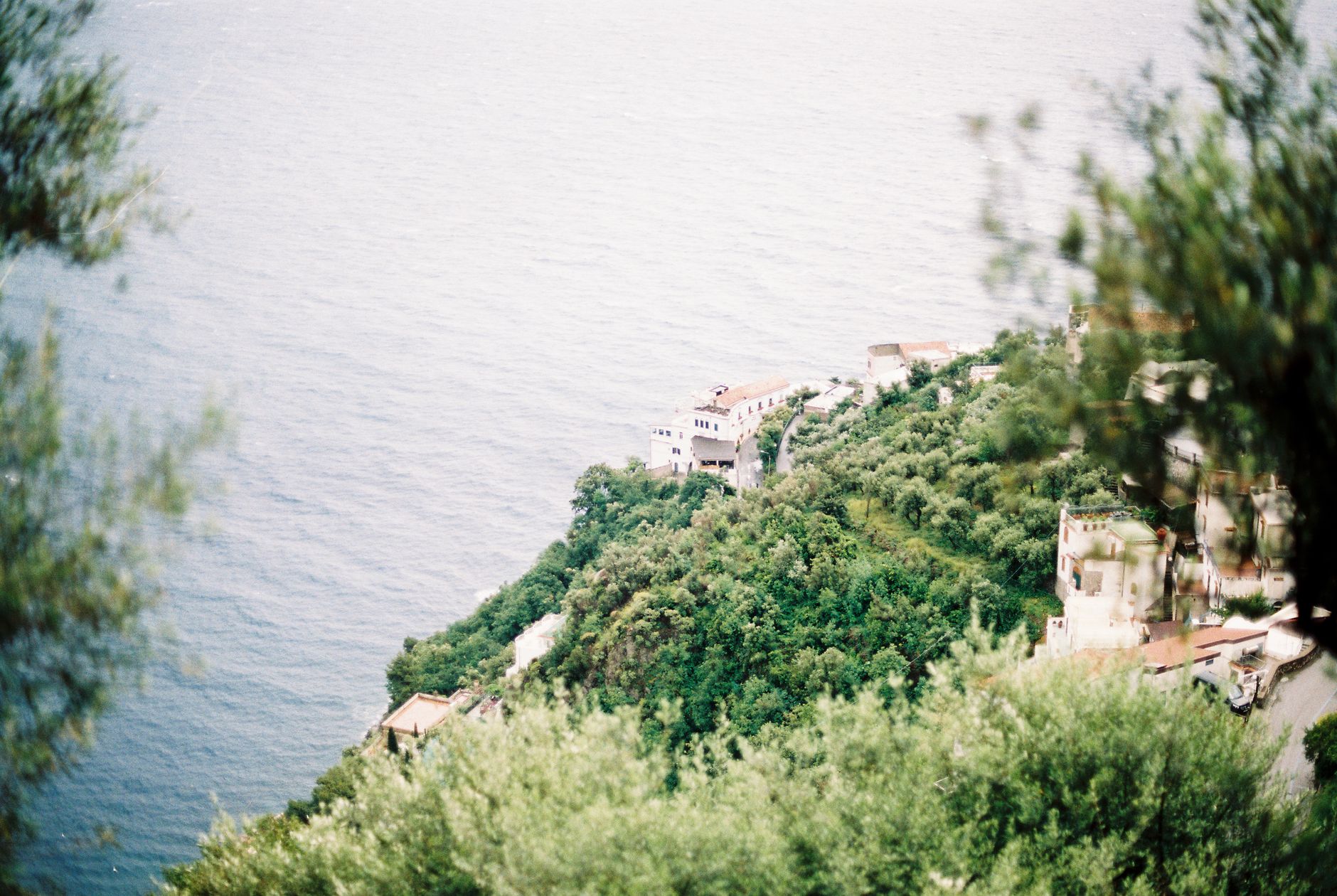
To know the true Amalfi Coast, one must abandon the traffic gridlock of the coastal SS163 road and climb upward on foot. High above Positano and Amalfi, along the ancient mule pathways of Tramonti and Ravello, sits the kingdom of the sfusato amalfitano—the thick-skinned, intensely aromatic lemon cultivated on stone terraces since the eleventh century.
The Vertical Heroism of the 'Contadini Volanti'
Locals call the citrus cultivators the 'flying farmers' (contadini volanti). Their orchards cling to forty-five-degree limestone inclines, propped up by chestnut wood poles and sheltered from salty winter gales by traditional black willow mats. Here, mechanization is impossible. Every kilo of fruit is carried down thousands of stone steps on wicker panniers balanced upon human shoulders.
We meet Salvatore, a third-generation grower whose fingers carry the indelible scent of lemon rind and rich clay compost. Salvatore refuses to sell his crop to commercial industrial distillers; instead, he supplies two dozen local family trattorias and creates a velvety, small-batch limoncello macerated exclusively in high-proof grain spirit for seventy days.
Forgotten High Mountain Trattorias
In the village of Pogerola, overlooking the gulf from six hundred meters elevation, lunch begins with hand-rolled scialatielli pasta infused with lemon zest, accompanied by raw red prawns from Cetara and freshly pressed colatura di alici (anchovy elixir). The dining table sits shaded beneath vines heavy with purple grapes, with no sight of tourist souvenir stalls.
The rhythm of dining here follows an ancient cadence: conversations drift from wine varieties to coastal weather forecasts, and the meal stretches well past four in the afternoon with zero pressure to vacate the table.
Culinary Itinerary Advice
- Travel Shoulder Season: Plan your visit in late April or late October when harvesting is in progress and local growers have time for conversation.
- Footwear Essentials: Sturdy trail boots are mandatory; the stairways between mountain villages involve thousands of uneven stone steps.
- Support Local Cooperatives: Purchase directly from protected agricultural syndicates bearing the IGP (Indicazione Geografica Protetta) stamp.

Matteo Rossi
Gastronomy Editor & Olive Oil Sommelier